

Curtido & Pupusas
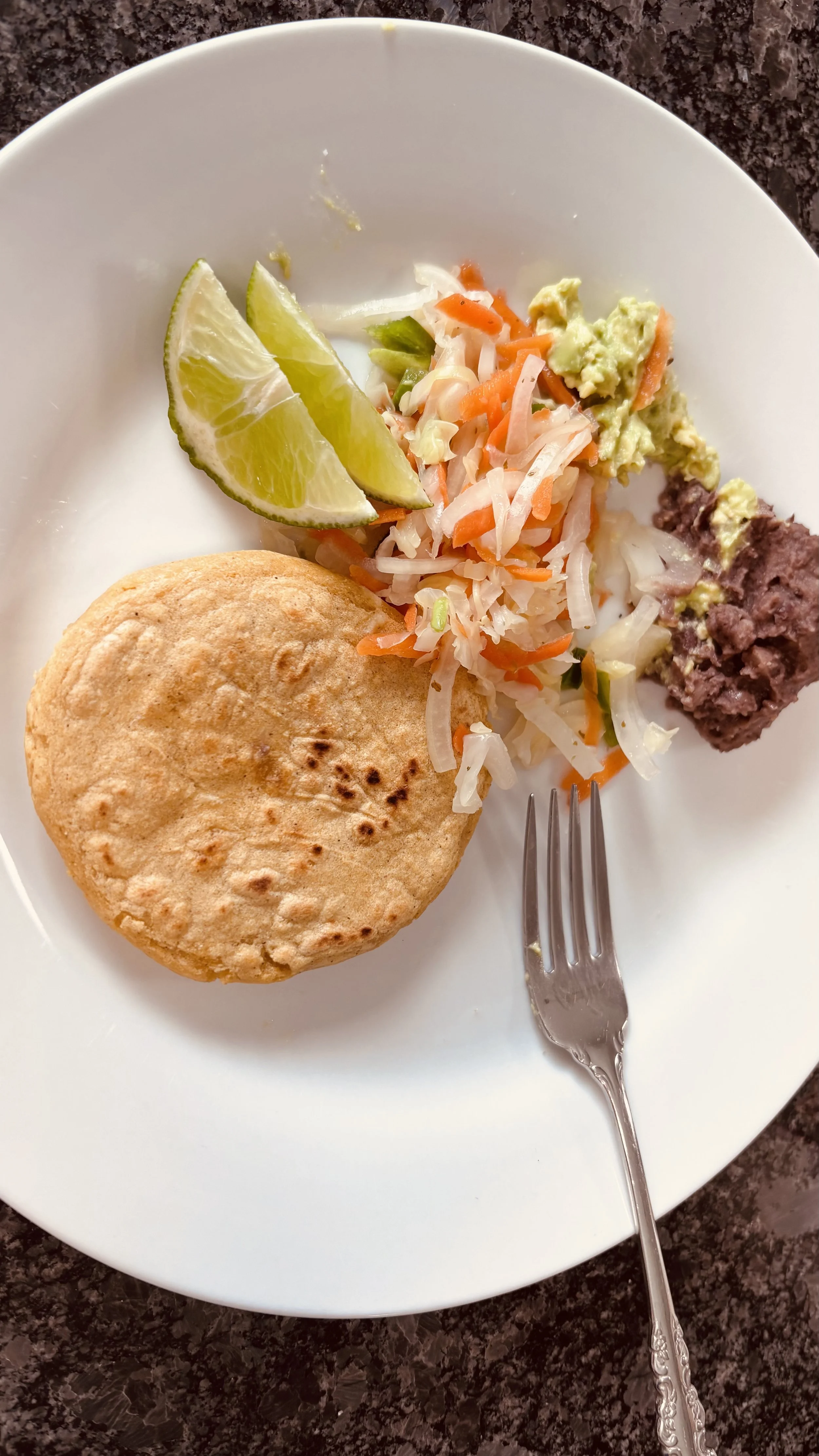
Curtido & Pupusas Beloved Food of El Salvador
Pupusas are the quintessential comfort food of El Salvador, revered as the national dish and a symbol of cultural identity for Salvadorans both at home and abroad. These thick, handmade corn tortillas—crafted from masa harina—are stuffed with a variety of savory fillings before being griddled to golden perfection. Common fillings include creamy queso (cheese), refried beans, chicharrón (seasoned pork rind), chorizo, loroco (an edible flower bud native to Central America), or combinations like revuelta (a mix of cheese, beans, and pork). Eaten by hand, pupusas offer a satisfying blend of textures: the soft, slightly crispy exterior giving way to warm, melty interiors. They’re not just a meal but a communal experience, often prepared in pupuserías where the rhythmic slap of dough echoes the heartbeat of Salvadoran daily life.
Curtido, the tangy cabbage slaw that invariably accompanies pupusas, elevates the dish with its bright, fermented crunch. Made from finely shredded cabbage, carrots, onions, and sometimes jalapeños, it’s pickled in vinegar with oregano and a touch of spice, providing a refreshing contrast to the richness of the pupusa. This condiment isn’t merely a side; it’s essential for balancing flavors, adding acidity and texture that cuts through the heaviness of cheese or meat fillings. In Salvadoran cuisine, curtido embodies resourcefulness, using simple, affordable ingredients to create something vibrant and addictive. Together, pupusas and curtido represent the fusion of indigenous traditions and everyday ingenuity, making them a beloved staple for families and a nostalgic reminder of home for the diaspora.
The history of pupusas traces back over 2,000 years to the indigenous Pipil people of pre-Columbian El Salvador, who crafted early versions from nixtamalized corn masa filled with local staples like beans, squash, and herbs. Archaeological evidence from sites like Joya de Cerén—often called El Salvador’s Pompeii, buried by volcanic ash around 600 AD—reveals ancient cooking tools used for similar flatbreads. Spanish colonization introduced new elements like cheese and pork, evolving the dish into its modern form. Curtido likely developed as a preservation method for vegetables, influenced by European pickling techniques blended with native flavors. By the 20th century, pupusas had spread from rural areas to urban centers, with rice-flour variations emerging during corn shortages in the 1930s and the Salvadoran Civil War. In 2005, El Salvador officially declared November 13 as National Pupusa Day, celebrating this enduring culinary icon that continues to unite generations.
Curtido (Salvadorian Cabbage Slaw)
Ingredients:
• 1 small head of cabbage, sliced medium thin (using a mandolin for even cuts)
• 2 carrots, grated
• 1/2 red onion, sliced medium thin
• 1 jalapeño, thinly diced
• 1 teaspoon oregano
• 1/4 cup apple cider vinegar (ACV)
• 1/2 to 1 teaspoon sea salt (adjust to taste)
Instructions:
1. Blanch the cabbage and carrots in boiling water for a short time until slightly softened.
2. Strain them through a sieve to remove excess water.
3. Run cool water over them for about 1 minute to stop the cooking process.
4. In a large bowl, combine the blanched cabbage and carrots with the sliced red onion, diced jalapeño, oregano, apple cider vinegar, and sea salt. Mix well to ensure everything is evenly coated.
5. Let it sit for at least 30 minutes to allow flavors to meld (or refrigerate for a few hours for best results).
6. Serve at room temperature or cold as a tangy side to pupusas or your favorite dishes. 😊❤️
Tips:
This quick version is blanched for crunch, but traditional curtido ferments for days—feel free to experiment!